Sculpted by Nature Project
Brainstorming Key Words & Phrases: Sand dunes, sculpted, shapeshifting, nature’s sculpture, design by weather, designed by nature, morphing, lines, curves, angles, shapes, geometric, patterns, texture, soft edges, ripples, gritty, wind sweep, wind shaped, monotone, black, grey, and white, opposites, sands of time, wind blown, renew, no control, sensuous, ripple affect, always changing,
Project Statement: Though inspired by numerous artists, my main influence is nature. Artists frequently incorporate natural patterns, shapes, colors, lines, and textures into their work. Nature’s creative genius is unmatched. This photo project focuses on sand dunes, shaped by wind and rain. They possess a sensuous, visually appealing quality with gentle lines and curves. Moreover, nature constantly resculpts them, creating new artwork. The black-and-white presentation was a deliberate choice. It forces the eye to appreciate the lines, textures, and shapes.
NOTES:
This set of images has not yet been sorted or triaged to the final 5-7 for use in the project.
Project swith a single subject throughout are challenging. It’s important to show consistency without repetition.
Final project images will be selected to match the project statement, not based on quality or visual appeal.
I deliberately edited the photos in black and white to force the viewer to contemplate shapes, lines, and textures. Color oftendistracts the viewer.
Most of these images were taken in Death Valley NP. However, sand dune images from anywhere could have been added so long as the focus was on shapes, lines, and curves.
Captions have been included to help the viewer focus on the project’s objective.
Next Steps
Once images are selected, the next step is to objectively decide which images best match the project objective. You can start by eliminating those that obviously don’t fit, or by eliminating those that do.
It is important that you divorce yourself from the usual ‘best image by technical standards’ tendencies.
Following image selection, the next step is to sequence the images. There are many ways to decide on sequencing. For example, in this project, I may want to sequence them from dark to light, soft to sharp, etc.
Finally, consider how the images will be displayed and whether the crop ratio affects their appearance side by side. If the images have a variety of aspect ratios, such as 3:2, 1:1, 16:9, or 5:4, this impacts visual flow.
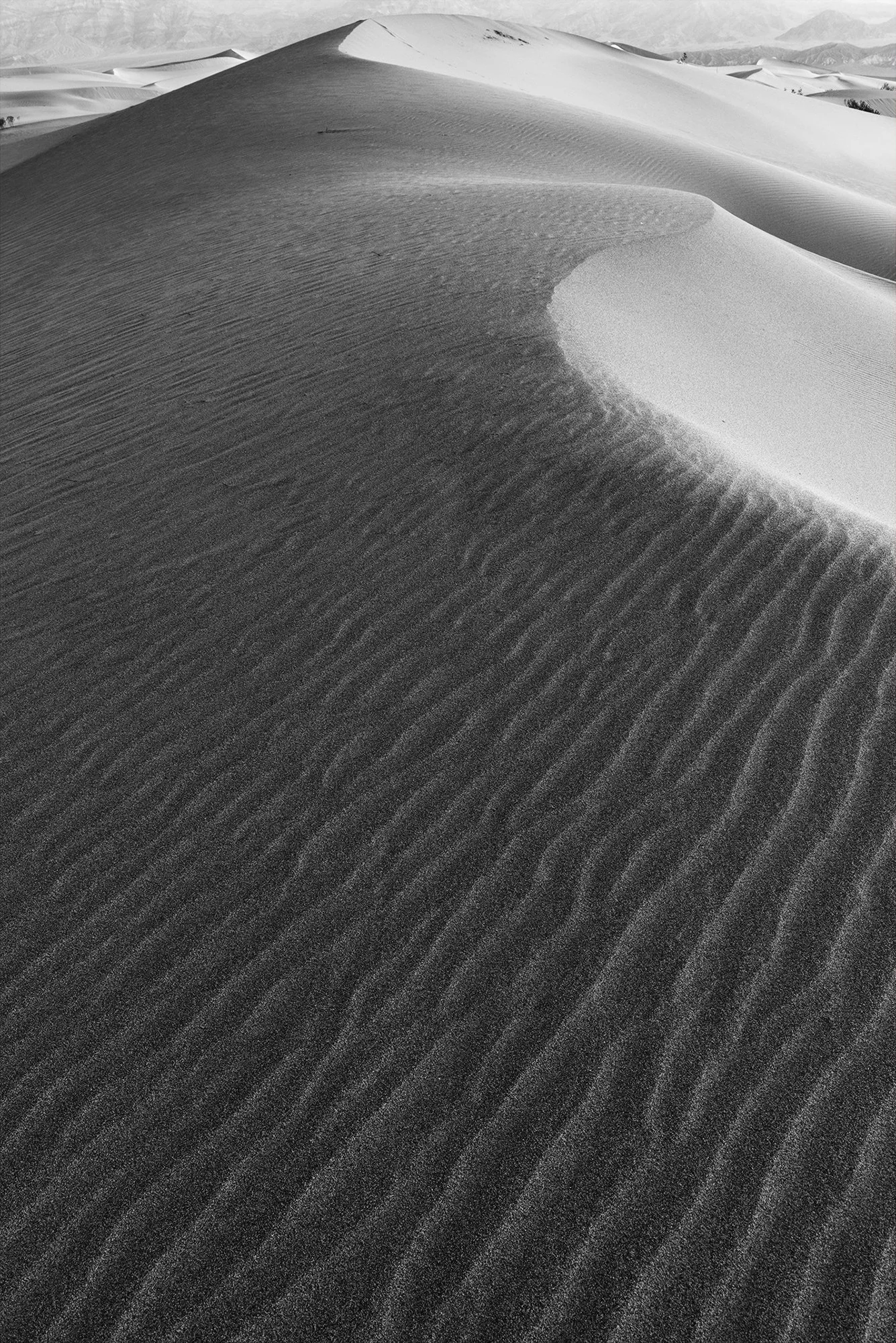
A Full Day's Walk
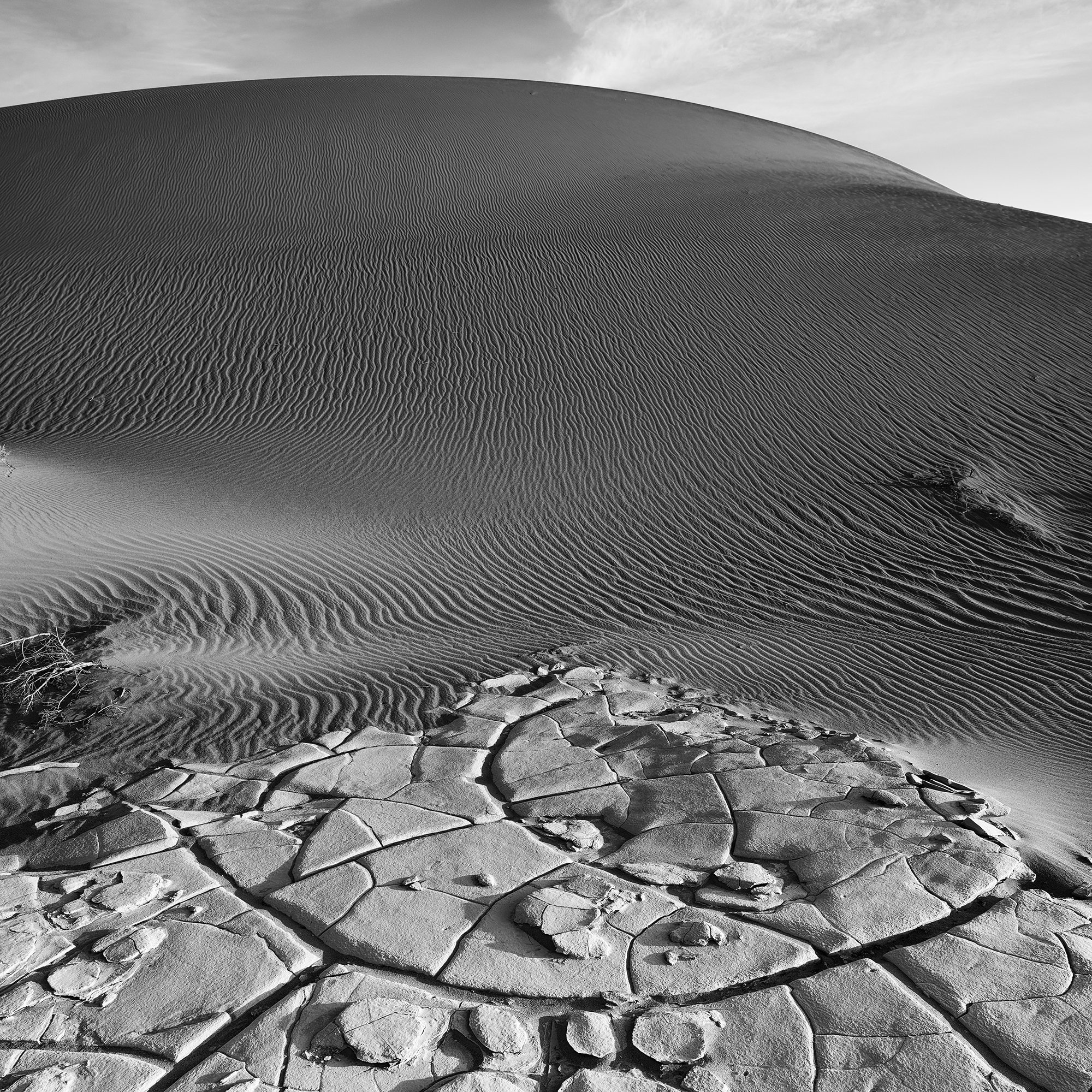
Clay, Sand & Sky
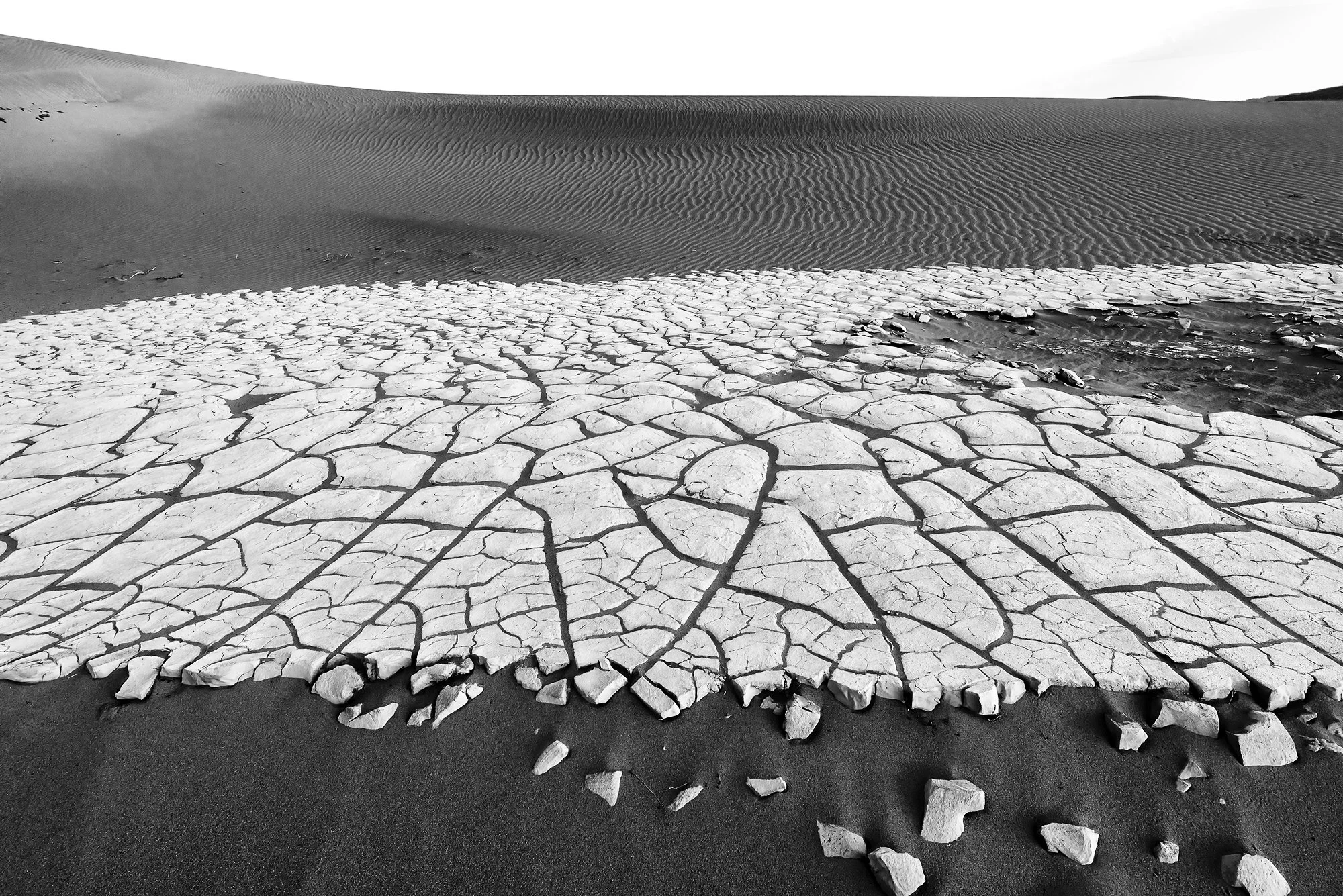
Desert Clay
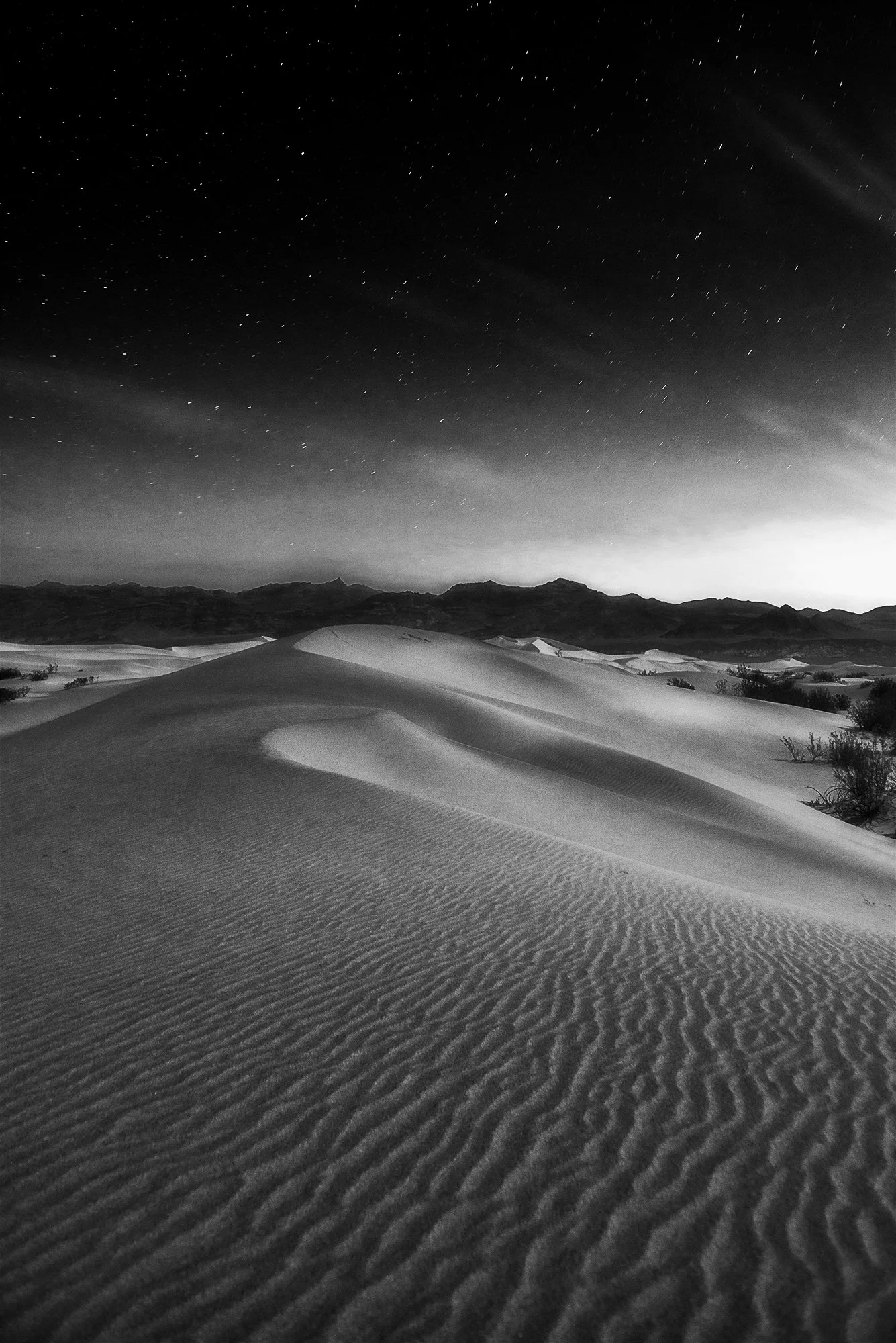
Dune Dawn
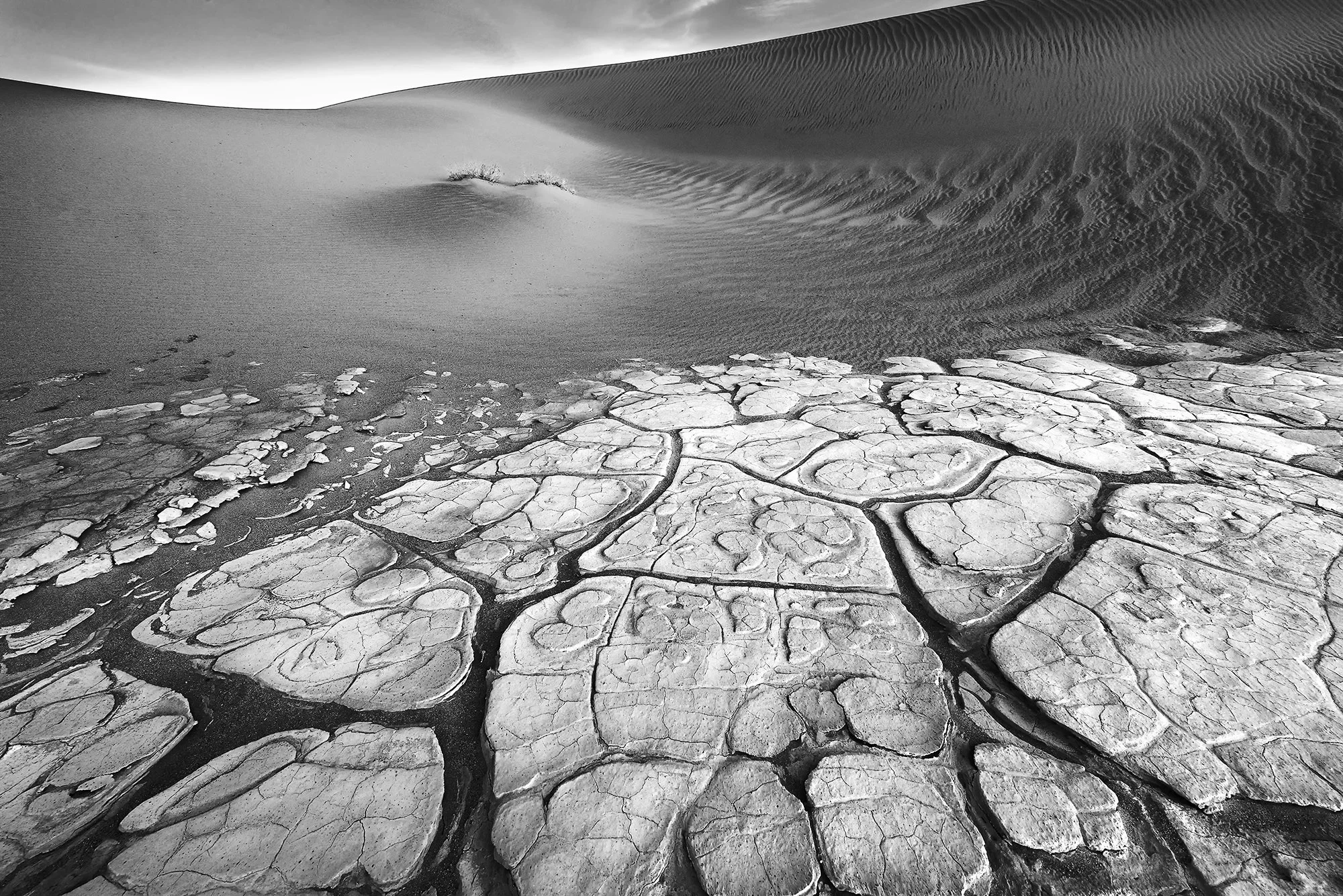
Geometric Clay

Line Dancing

Line in the Sand

Return?
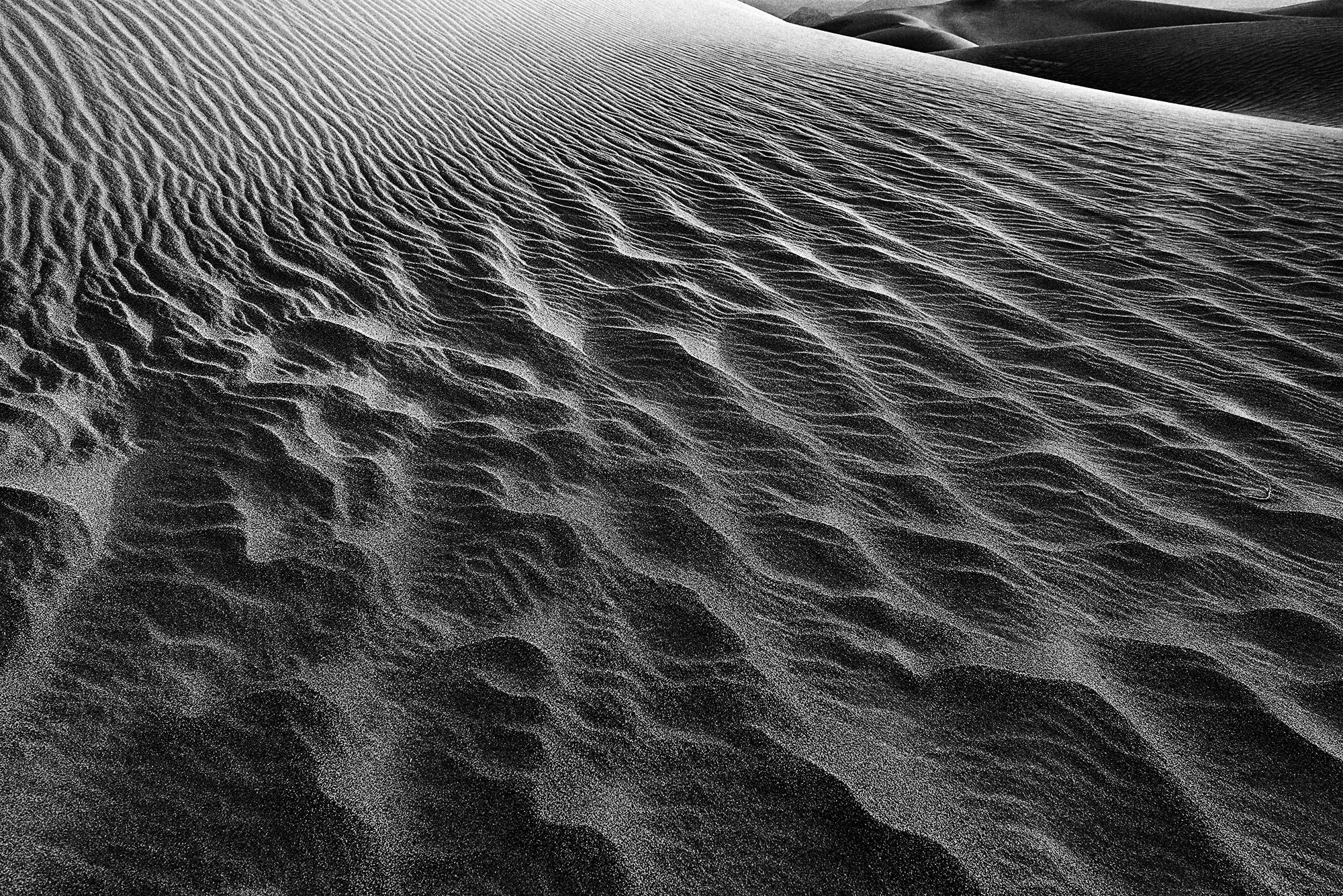
Sand Ripples
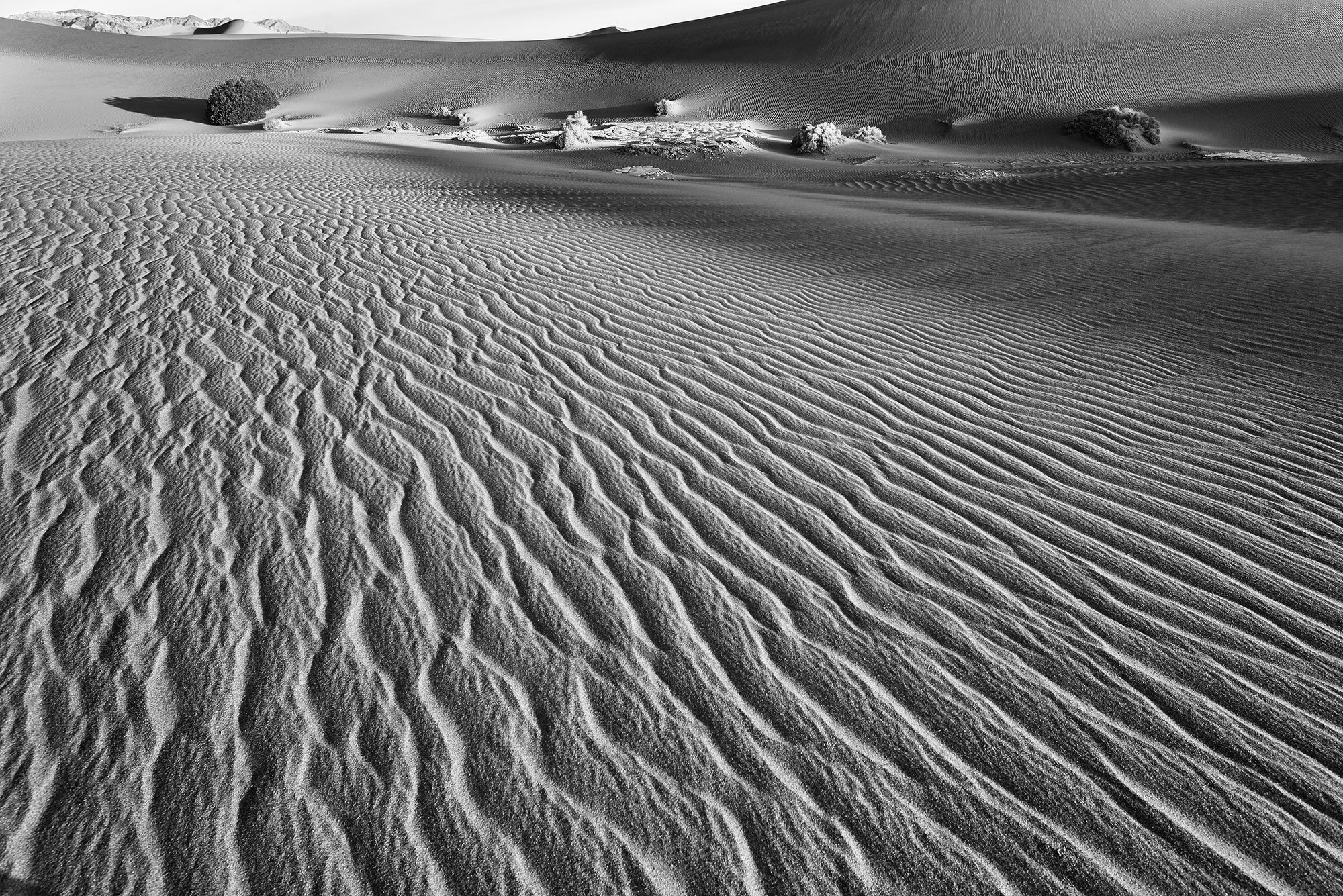
Sun Scarpe
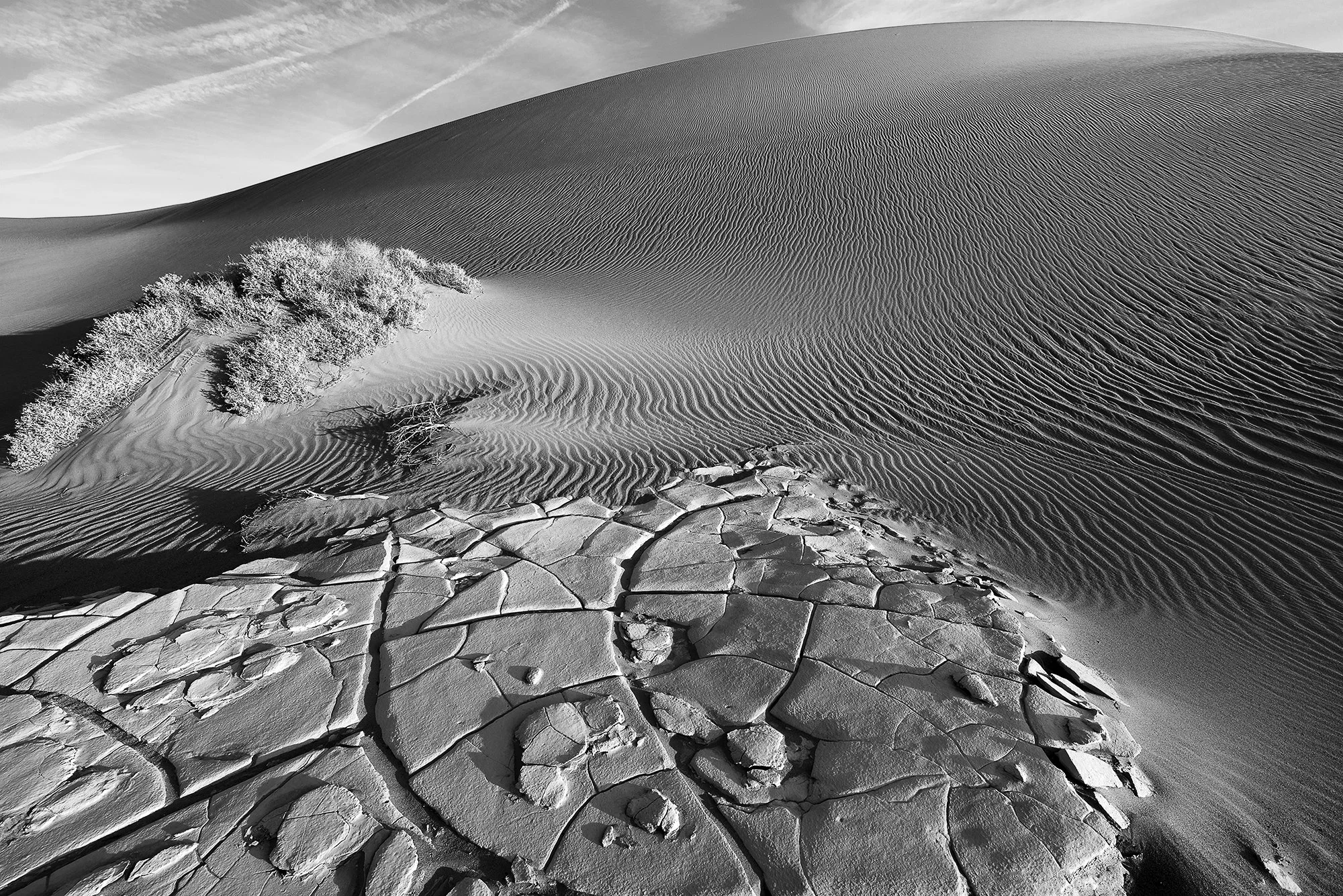
Sunrise Curves
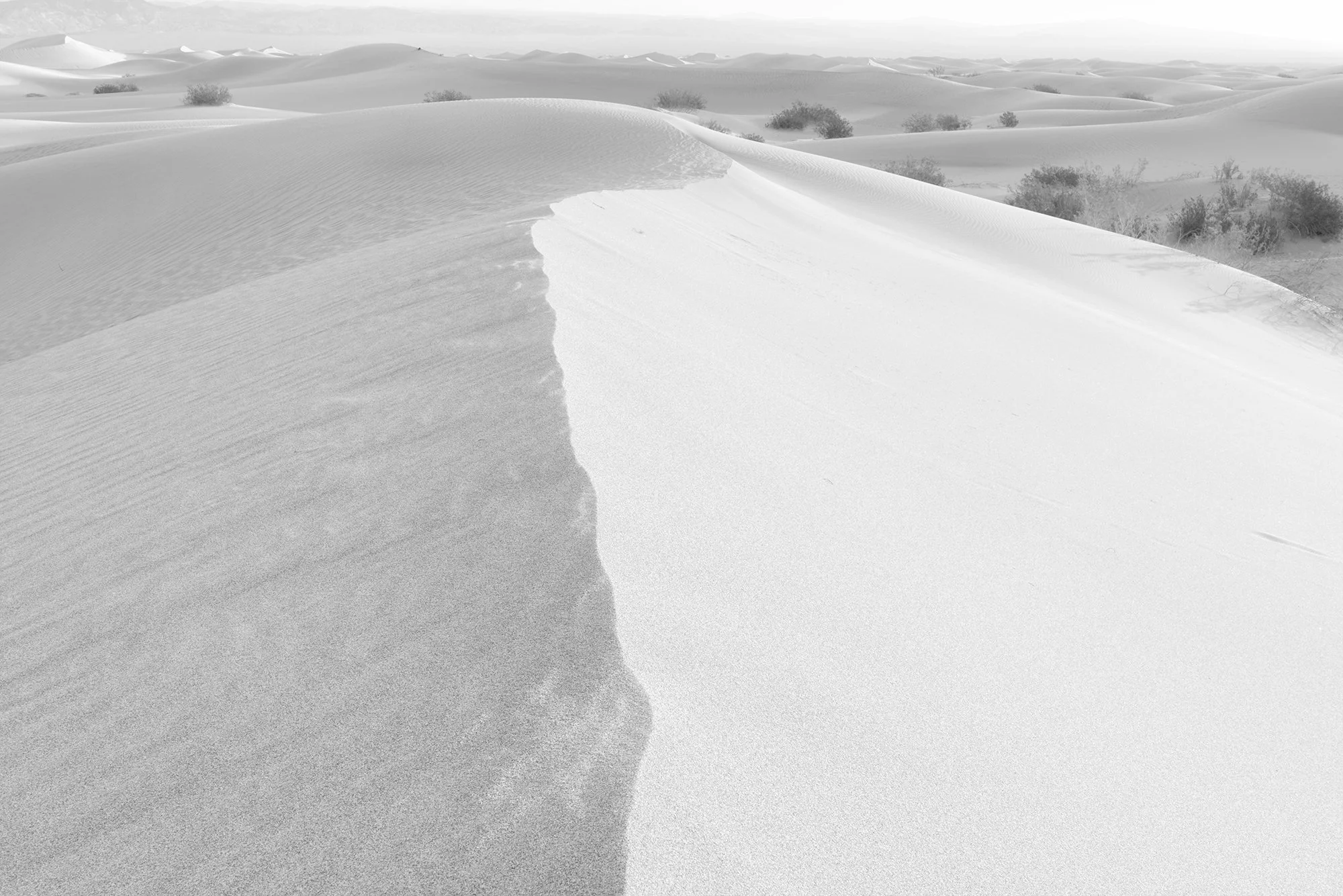
White Out

Sculpted by Nature